Custom Apparel Techniques and Their Pros & Cons (Part Two)
Written and reviewed by iGift Uniform Limited Team · Macau uniform consultants
In the previous issue, we introduced several custom apparel pattern techniques. Today, we continue by exploring other processes.
Foil Stamping (Gold/Silver)
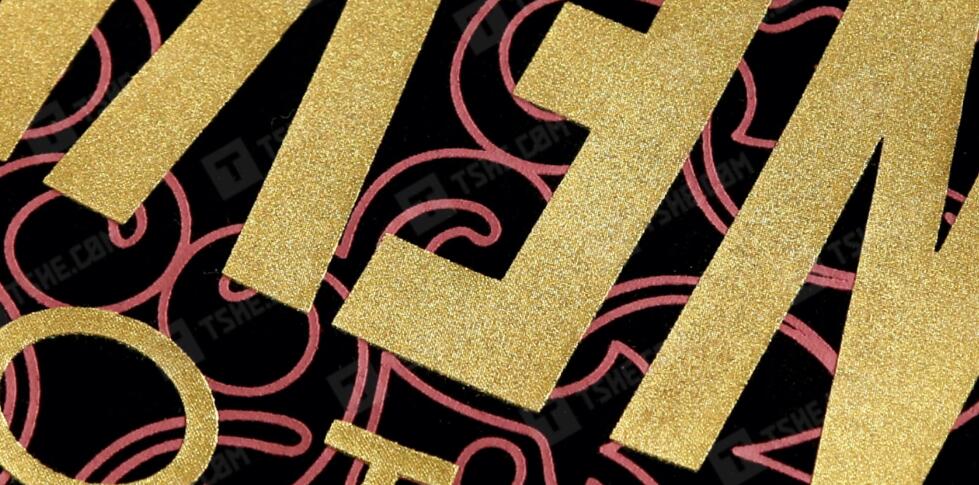
Gold/silver foil stamping is a specialised paint printing technique where the paint itself contains micron-sized gold/silver mica particles, creating a very bright gold/silver metallic finish.
Advantages:
Metallic gold/silver prints offer more durable lustre and aesthetic appeal, are more resistant to washing, and have a superior texture.
Disadvantages:
Pattern colours are limited to gold and silver.
Best Suited For:
Most suitable for logo printing.
Fluorescent Print
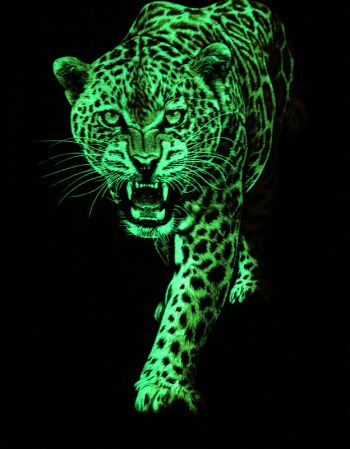
Fluorescent pigment powder (from Japan's DIC, one of the world's leading fine chemical product manufacturers) is added to the paste, resulting in a slightly brighter colour under normal conditions.
Under special short-wave light sources (such as neon lights, laser lights, or in nightclubs), it can refract into very bright fluorescent colours.
Advantages:
While emphasising bright colours, it also offers comfort and a soft feel, making the wearer the most dazzling presence on the street.
Disadvantages:
Fluorescent patterns can only be produced in 6 colours: yellow, green, purple, orange, rose, and pink.
Best Suited For:
Fluorescent printing is a pigment printing process formulated with special pigments. It primarily produces unique fluorescent colours, so its suitability is determined by the specific colours the client wishes to print.
Glow-in-the-Dark Print
High-mesh luminous powder, made from precious rare earth materials, is mixed with highly transparent ink. The principle of luminescence involves storing light energy in the ambient environment.
It can store light energy from the environment and release it in the form of short waves in the dark, creating a self-luminous effect.
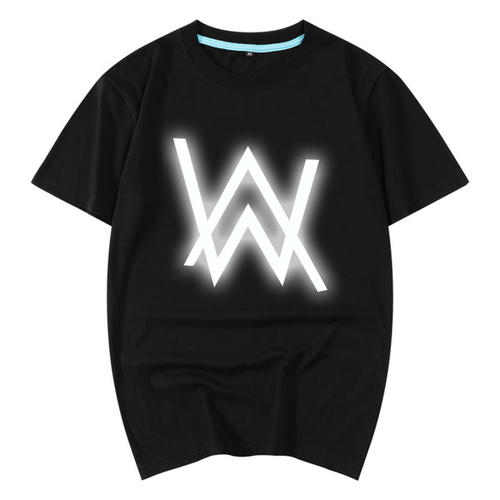
Once illuminated by a light source, it glows in the dark, providing a unique visual effect.
iGift's glow-in-the-dark printing uses photoluminescent materials that are harmless to humans and the environment, ensuring health and safety.
Disadvantages:
Currently, it supports 5 different colours: green, sky blue, orange, pink, and purple, with green offering the best effect.
Best Suited For:
Most suitable for casual wear and children's clothing
.
Reflective Print
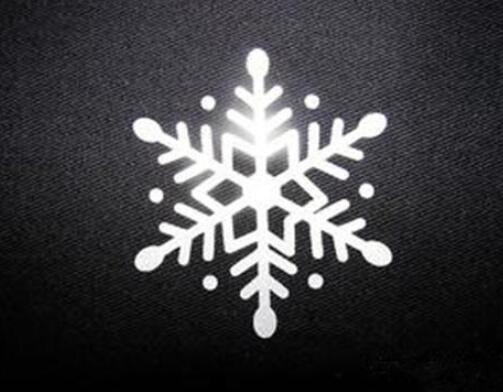
Utilises reflective powder produced by 3M with ND≥2.2. Made from glass microbead powder, when light shines upon it, it focuses onto the microbead's focal point due to high refraction.
On the special reflective layer of the halftone dots, the reflective layer bounces light through the transparent beads, redirecting it back towards the light source, thereby creating a very bright reflective glow.
Advantages:
In the past, the primary function of this print was as a warning, but due to its soft feel,
its anti-oxidation properties, and cool aesthetic, it has long become a favourite in the fashion industry.
Disadvantages:
Not suitable for reflective effects on white or light-coloured base shirts. The base shirt (background colour) needs to be darker.
Best Suited For:
Most suitable for fabrics where the print needs to be sufficiently eye-catching. Grey patterns offer the best and strongest reflective effect. The reflective coating is transparent and can theoretically be tinted any colour.