Garment Customisation Techniques: Pros and Cons (Part 3)
Written and reviewed by iGift Uniform Limited Team · Macau uniform consultants
There are so many garment customisation techniques to explore. Let's continue to discover more!
3D Thick-Plate Printing
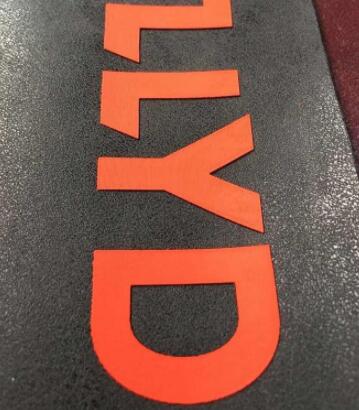
Thick-plate printing utilises water-based thick ink, combined with high-mesh, high-tension screen printing. The printing thickness is built up through repeated applications.
Advantages:
Its sharp edges offer a more three-dimensional effect compared to traditional rounded thick-plate printing.
Disadvantages:
Ensure pattern lines are at least 2mm thick; otherwise, the pattern may deform after vigorous washing and drying.
Suitability:
Most suitable for various knitted fabrics and supports all colours.
Pearlescent Printing
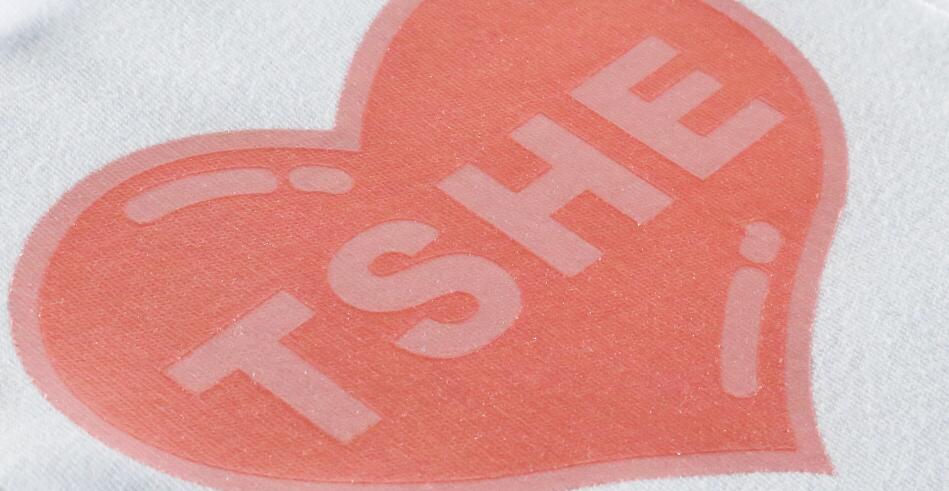
Using pearlescent white with a lustrous sheen and pearlescent paste containing pearlescent powder as raw materials, this technique blends them with hue pigments while retaining their properties, giving the print a pearl-like lustre.
Advantages:
Besides its pearl-like lustre and special metallic texture, this print also boasts high acid and alkali resistance.
It offers gentle yet high colour fastness, providing a more subtle and understated effect than hot stamping.
Disadvantages:
Due to its mica particles being micron-sized, its opacity is relatively weak, therefore it is not
suitable for large-area print designs. Due to the specific nature of the process paste, minor stains and small imperfections may occasionally occur from environmental
fine dust, fabric fibres within the workshop, and other factors.
Suitability:
Pearlescent effects can be applied to any style of base garment and any colour pattern. To enhance the metallic sheen, the contrast between the garment colour and the pattern colour should be maximised.
Suede Foam Printing
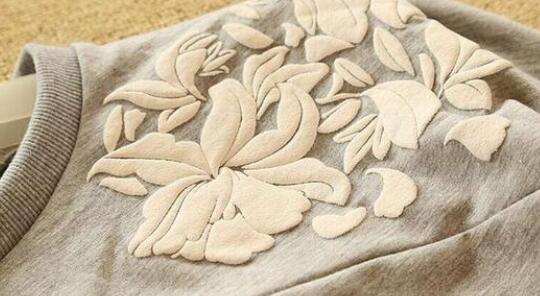
Suede foam is a special printing material that expands under high temperatures. It achieves the same soft and fluffy effect as faux fur.
Advantages:
Building upon foam printing, this technique produces a fur-like effect with a soft touch, appealing to environmentally conscious individuals who appreciate the look of fur.
It primarily uses heated paste to form bubbles, creating an uneven surface with a visual suede effect.
Disadvantages:
The colour of foamed patterns is slightly darker than that of regular adhesive prints.
Suitability:
Patterns of any colour can be created, with particularly ideal results on sweaters and baseball jackets.
Foil Stamping
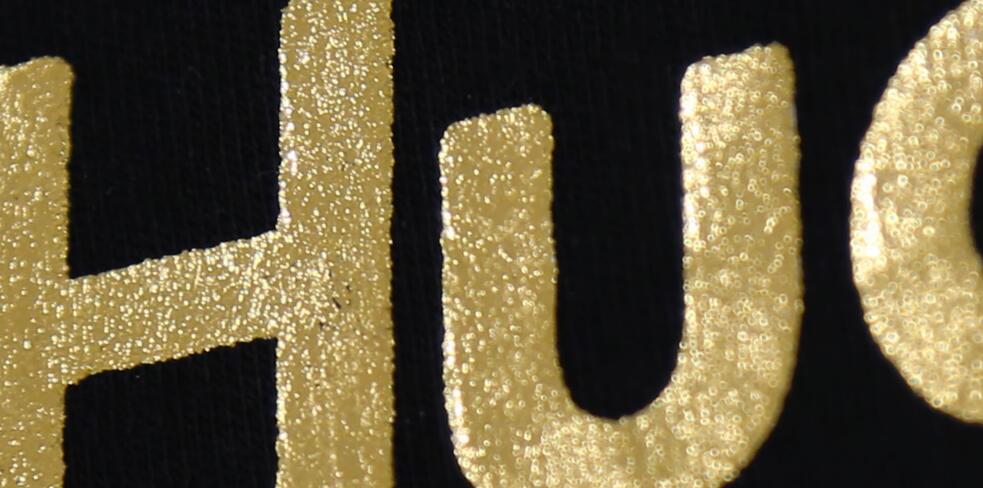
This technique is divided into Mirror Hot Stamping and Screen Print Hot Stamping. Screen Print Hot Stamping involves printing a pattern onto fabric using screen printing as a base, then transferring an anodised aluminium hot stamping film onto the garment via heat.
The aluminium layer produces a strong reflective, high-lustre effect. Mirror Hot Stamping uses a PU hot stamping film, with laser-cut print patterns applied to garments through high-temperature heat transfer.
It features properties such as wrinkle resistance, oxidation resistance, tensile strength, and good wash fastness.
Advantages:
Good stability, soft hand feel, and a rich variety of colours and styles.
Disadvantages:
Wash fastness is generally moderate; prolonged washing may lead to gradual oxidation and a reduction in lustre.
Suitability:
Applicable for gold, silver, antique bronze, antique silver, and various other colours and textures.