Garment Customisation Techniques and Their Advantages and Disadvantages (Part Five)
Written and reviewed by iGift Uniform Limited Team · Macau uniform consultants
There are many techniques for customising garments. Let's continue to explore other techniques. For instance, if you have more good suggestions, feel free to share them with our editor! For custom garments, remember to follow iGift!
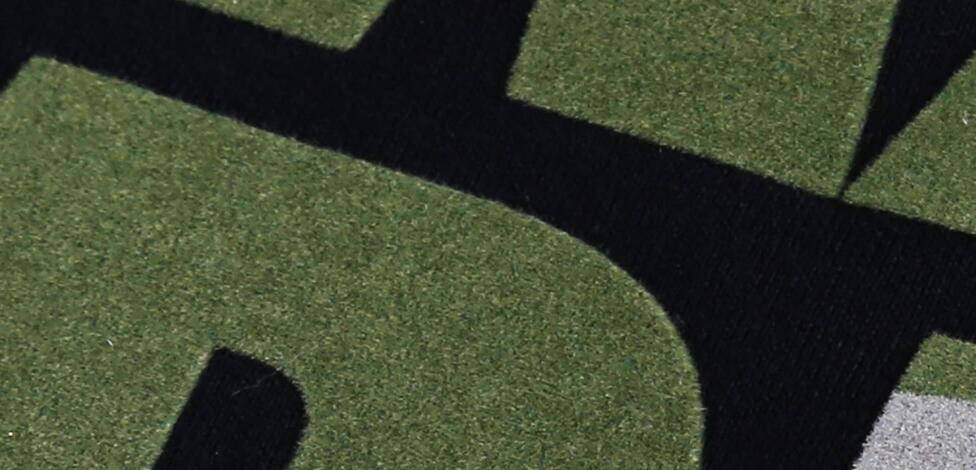
Camouflage Flocking
Utilising a specially designed four-colour forest green camouflage, the pattern is first printed. A full strip of four-colour forest green camouflage flock is then applied over the pattern and peeled off after high-temperature heat pressing.
It offers a strong three-dimensional effect, vibrant patterns, and defined lines.
Advantages:
The print has a richer texture with a soft, fluffy feel. As a printing element, it offers greater visual impact.
Disadvantages:
Currently, only one fixed four-colour forest camouflage is available. Customising special patterns requires a higher minimum order quantity and incurs higher costs.
Best Suited For:
Most suitable for sweaters and baseball jackets.
Appliqué
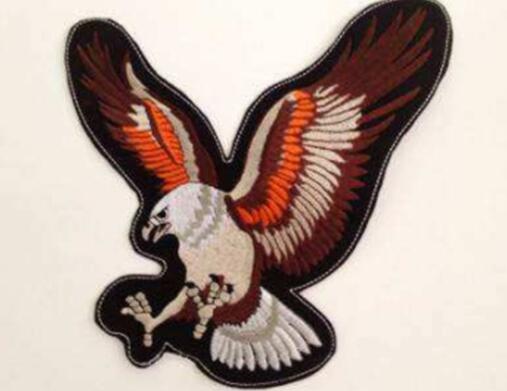
Appliqué embroidery is a form of embroidery where other fabrics are laser-cut from a pattern and then sewn onto the garment.
The embroidery method involves laser-cutting appliqués or other fabrics according to the pattern requirements, and then attaching them to the embroidered surface.
Advantages:
It offers an excellent layered effect with a tactile, embossed feel.
Disadvantages:
Not suitable for embroidering wider graphics.
Best Suited For:
Supports all colours, with a minimum Chinese character size of 1cm², minimum English letter size of 0.5cm², minimum line thickness of 1.5mm, and up to 6-8 colours.
Tatami Embroidery
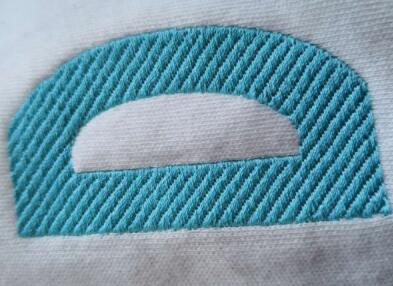
It consists of specially arranged single stitches. The stitches span the entire pattern and are arranged perpendicular to the pattern's boundaries, forming a set of forward and return stitches.
Advantages:
The stitches are arranged compactly and in parallel, resulting in exquisite and aesthetically pleasing embroidered patterns.
Disadvantages:
It involves a higher density of stitches, resulting in a stiffer feel.
Best Suited For:
Supports all colours, suitable for large-area patterns or irregular designs, with a maximum of 3-5 colours.
Ultra-Thick Print
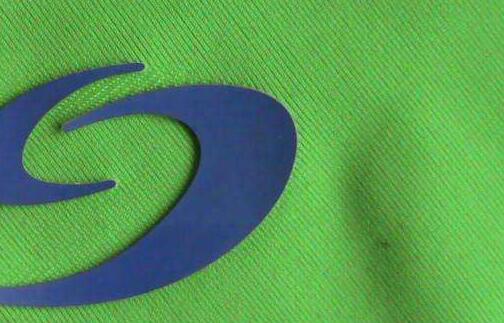
Utilising an ultra-thick 3D dimensional print plate, it is thicker than traditional screen printing plates. Made from laser-cut skin-friendly PU material, the patterns are neat and aesthetically pleasing, with a stronger three-dimensional effect.
Advantages:
Uses skin-friendly material, is soft to the touch, and features laser-cutting for neat edges.
Disadvantages:
Only supports black and white.
Best Suited For:
Printing of letter logos and neat, simple printed patterns.
Holographic Silver Print
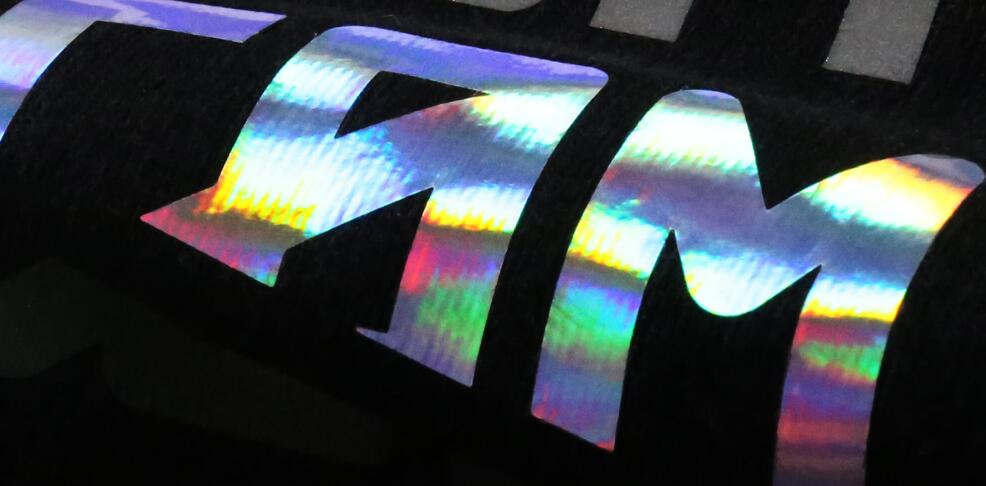
A printing technique where laser ink is screen-printed onto PU material, using laser cutting. Under normal changes in viewing angle, the print displays a rainbow-like, colourful reflective sheen.
Advantages:
Made from PU material, it is wrinkle-resistant, oxidation-resistant, more durable than traditional laser silver, and features laser cutting for neat edges.
Disadvantages:
Only supports silver.
Best Suited For:
Printing of letter logos and neat, simple printed patterns.
Screen Print Flocking
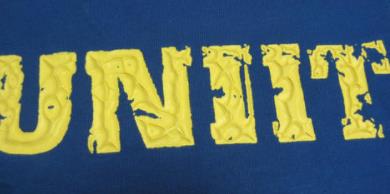
The pattern is first screen-printed, then a full sheet of coloured flock is applied over the pattern and peeled off after high-temperature heat pressing. It is suitable for patterns with irregular details, offering a strong three-dimensional effect and realistic patterns.
Advantages:
Soft to the touch, with a rich, full flock, creating a premium print element effect.
Disadvantages:
Currently, only single-colour flocking is supported, and colour interweaving is not available.
Best Suited For:
Suitable for cotton T-shirts, supporting 30 colours.